
OPENING OF THE EXHIBITION “FROM VĂN MIẾU – QUỐC TỬ GIÁM IN THĂNG LONG TO DIÊN KHÁNH TEMPLE OF LITERATURE”
On 15 July 2026, at the Khánh Hòa Provincial Museum, the Centre for Cultural and Scientific Activities of Văn Miếu – Quốc Tử Giám, in collaboration with the Khánh Hòa Provincial Museum,
08:00 - 17:00, 15.07.2026
Khanh Hoa Museum

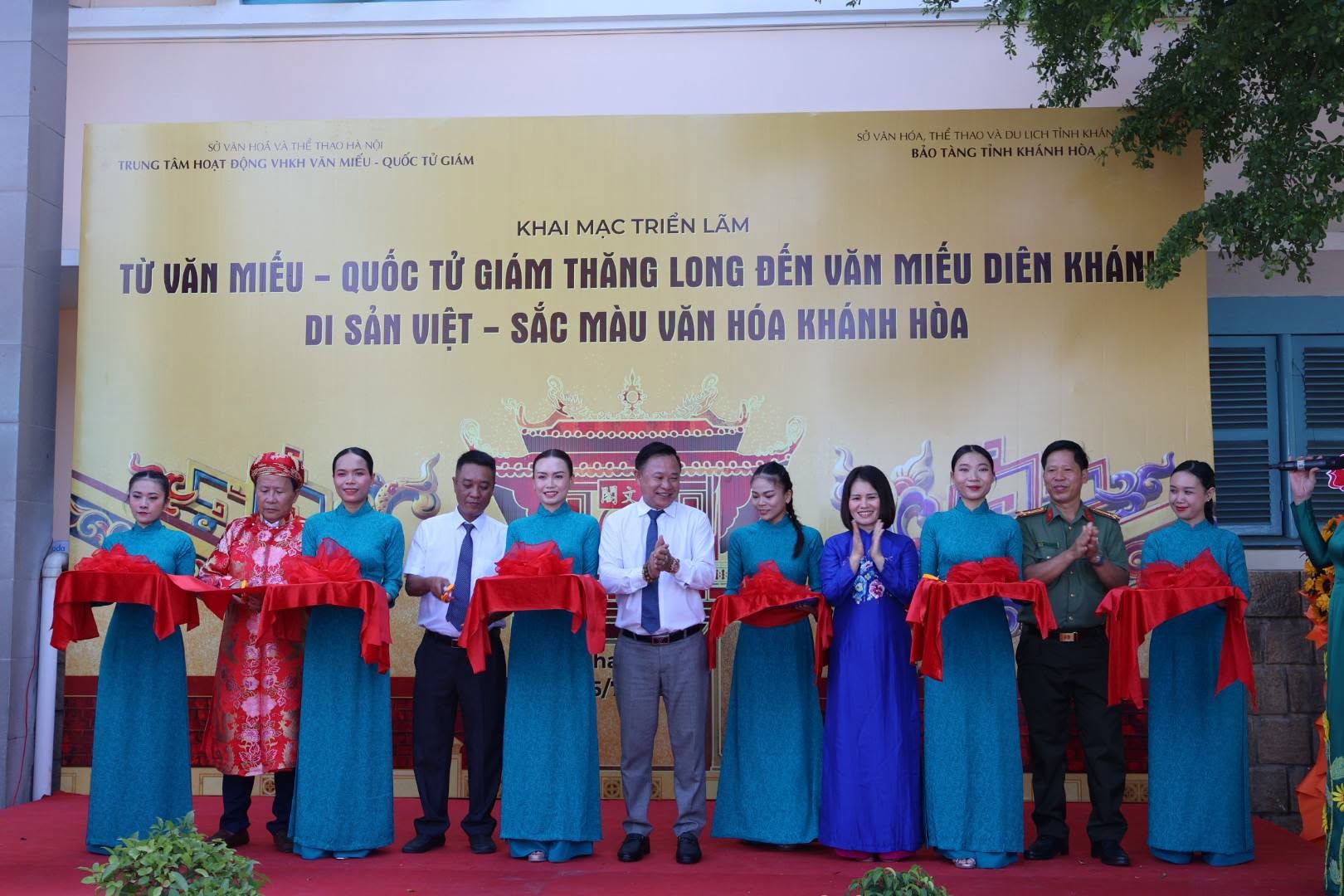
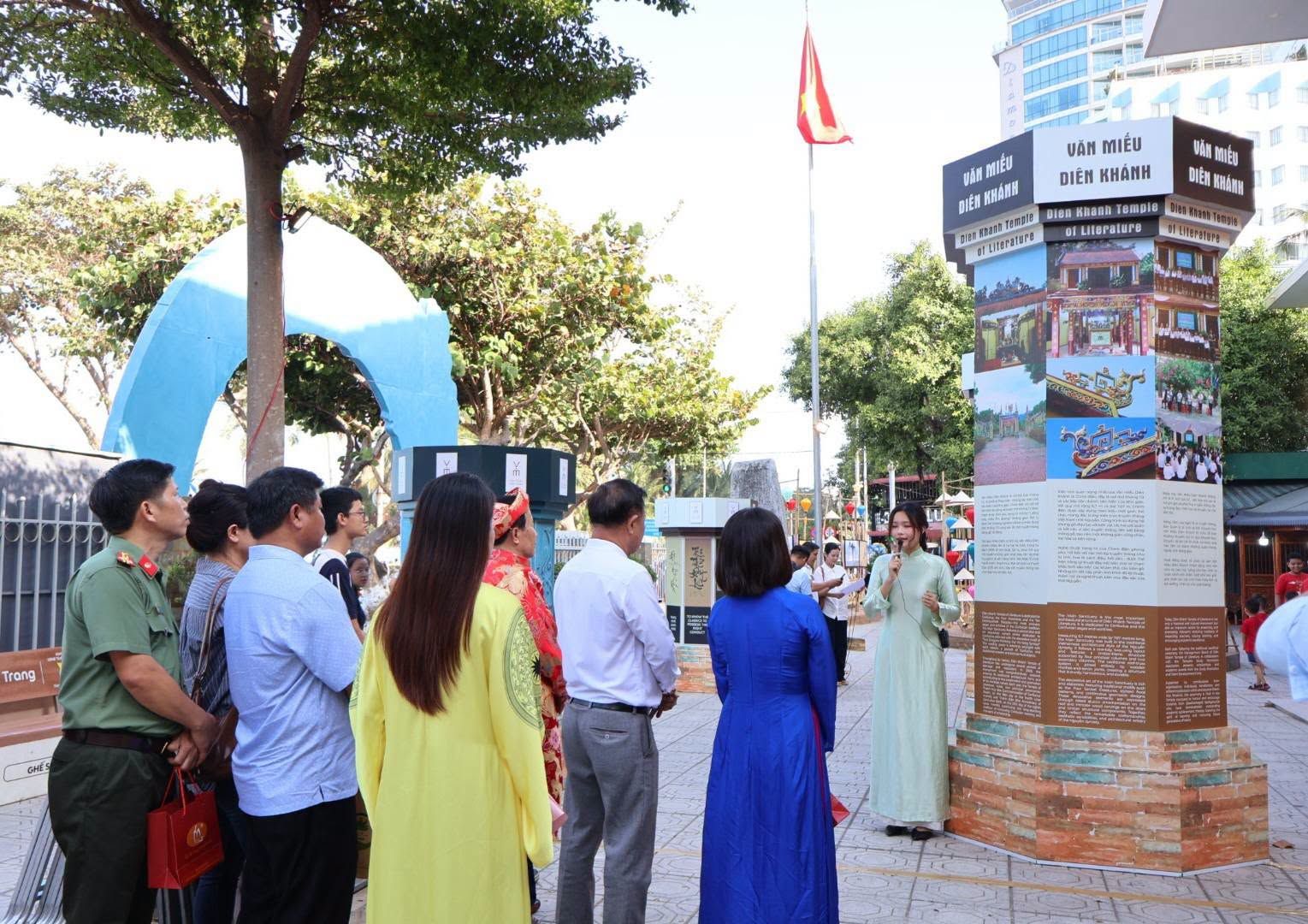
On 15 July 2026, at the Khánh Hòa Provincial Museum, the Centre for Cultural and Scientific Activities of Văn Miếu – Quốc Tử Giám, in collaboration with the Khánh Hòa Provincial Museum, held the opening ceremony of the thematic exhibition “From Văn Miếu – Quốc Tử Giám in Thăng Long to Diên Khánh Temple of Literature.” This meaningful cultural event was organised to mark the 950th anniversary of the establishment of Quốc Tử Giám (1076–2026), highlighting the outstanding values of Vietnam’s Confucian educational heritage sites while honouring the nation’s traditions of learning, respect for teachers, and appreciation of talent.
Attending the opening ceremony were Lê Văn Hoa, Deputy Director of the Khánh Hòa Department of Culture, Sports and Tourism; Lieutenant Colonel Nguyễn Hồng Quân, Deputy Head of the Internal Political Security Division of the Khánh Hòa Provincial Police; Dr Nguyễn Thị Kim Hoa, historian; Dr Đường Ngọc Hà, Deputy Director of the Centre for Cultural and Scientific Activities of Văn Miếu – Quốc Tử Giám; Biện Quốc Dũng, Chairman of the Agarwood Association; along with a large number of residents and representatives of the local media.
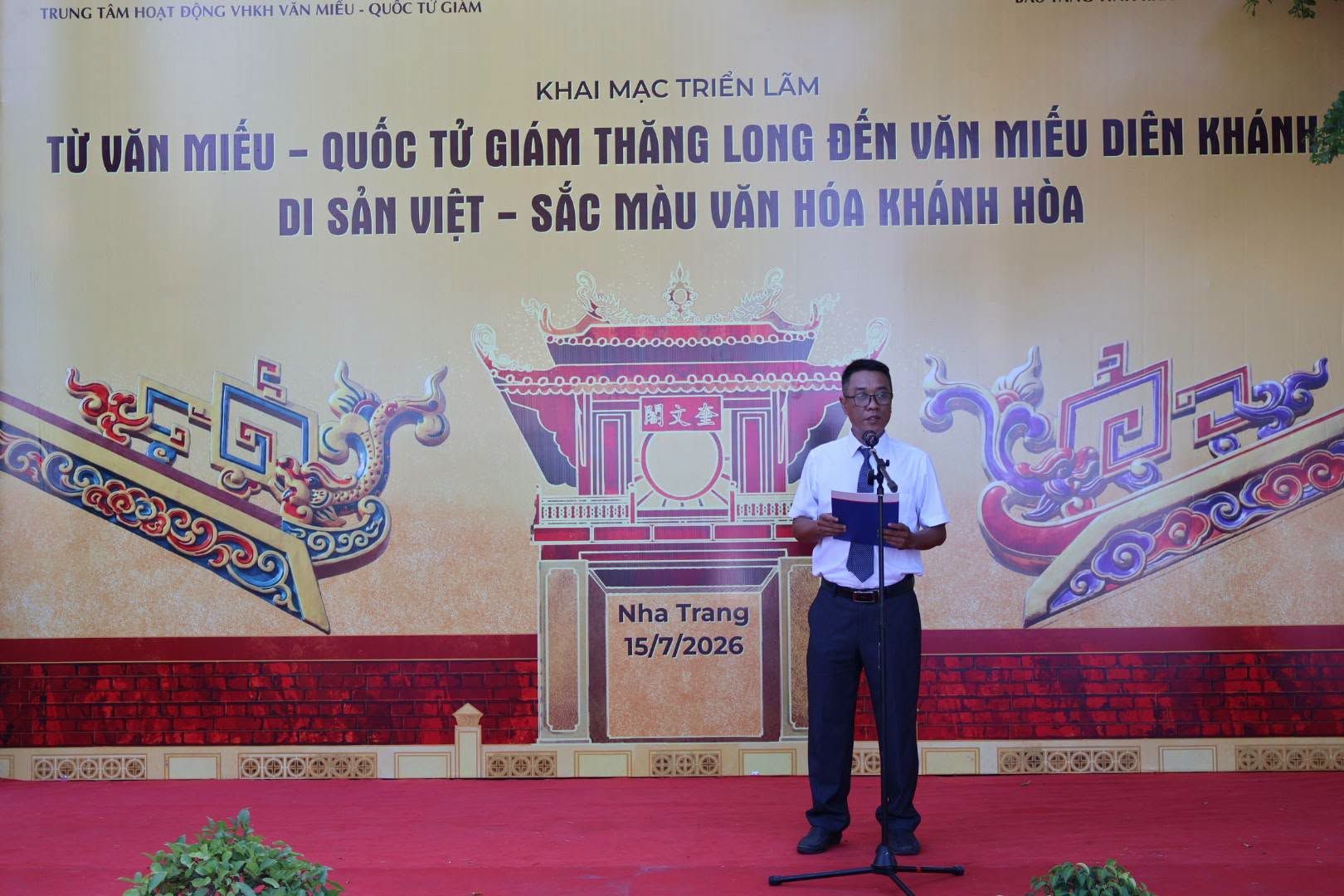
Speaking at the opening ceremony, Nguyễn Thanh Phong, Director of the Khánh Hòa Provincial Museum, said: “Through a carefully selected collection of paintings, photographs, artefacts, and documentary materials, the exhibition connects two significant heritage sites, helping to bring heritage values and the tradition of learning to a wider public. It is also a meaningful activity held in response to the Khánh Hòa Sea Festival 2026, contributing to the promotion of the province’s culture and tourism.”
The system of Văn Miếu, Văn Từ, and Văn Chỉ forms an important part of Vietnam’s cultural heritage. These sites not only preserve distinctive tangible and intangible cultural values but also reflect the development of Confucian education, bearing vivid testimony to the Vietnamese people’s centuries-old traditions of learning, respect for teachers, and appreciation of talent. From the national centre of education to local communities, the system of Temples of Literature helped shape cultural identity and nurture generations in their aspirations for learning, self-cultivation, and achievement.
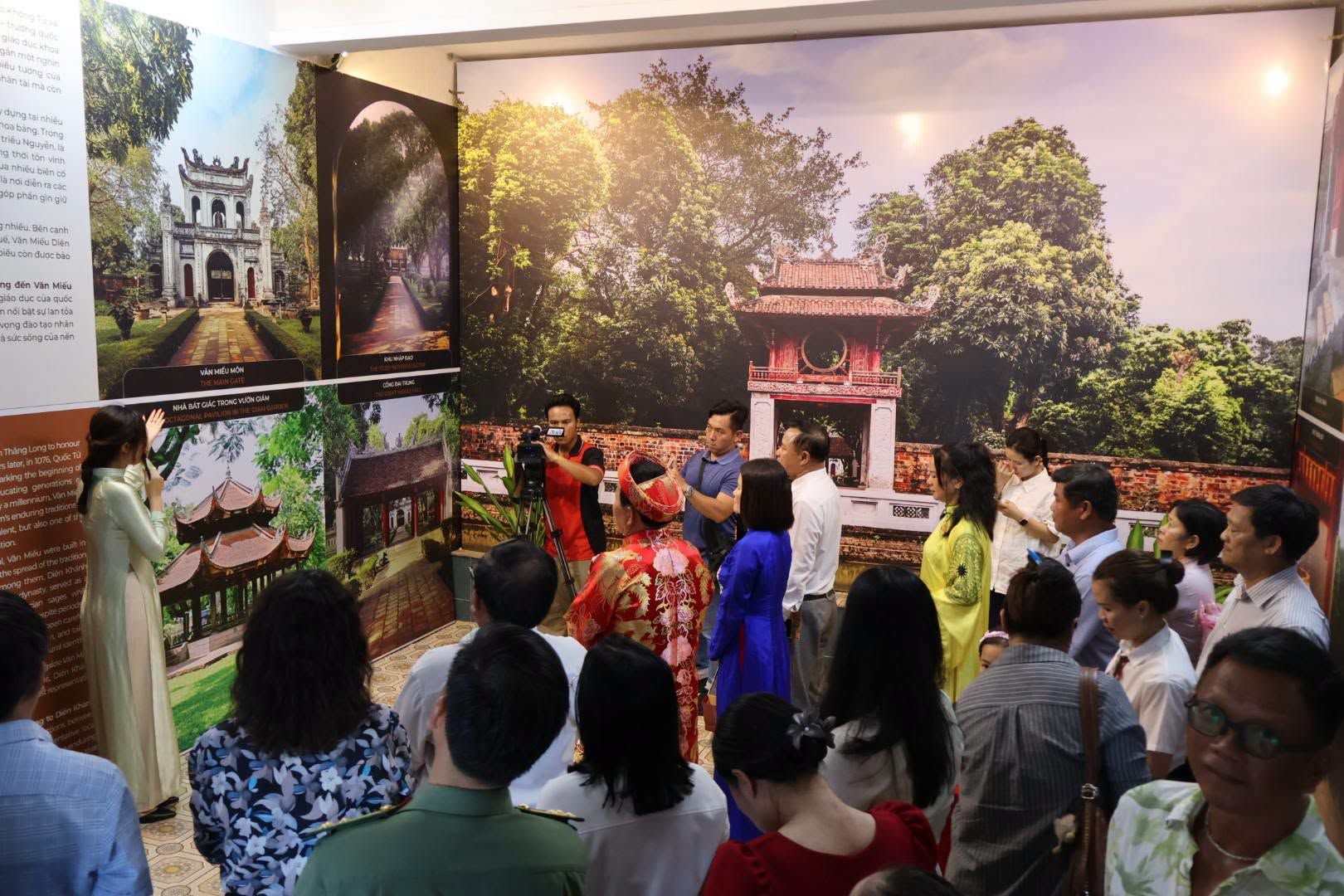
Featuring nearly 100 photographs, documentary materials, and artefacts, the exhibition introduces the history and outstanding values of Văn Miếu – Quốc Tử Giám in Thăng Long, the largest centre of education and training in Vietnam during the monarchical period. It also presents Diên Khánh Temple of Literature, one of the few provincial Temples of Literature that have survived to the present day. In doing so, the exhibition highlights the connections between the national Văn Miếu and the network of local Temples of Literature, demonstrating the far-reaching influence of Vietnam’s traditions of learning and scholarship throughout the country.
The exhibition comprises four themes: Văn Miếu – Quốc Tử Giám in Thăng Long; Quốc Tử Giám – Vietnam’s First National University; Preserving and Promoting the Values of Văn Miếu – Quốc Tử Giám; and Diên Khánh Temple of Literature – Cultural Heritage of Khánh Hòa. Through these themes, visitors can explore the formation and development of Vietnam’s Confucian examination-based education system and learn about the roles of enlightened monarchs such as Lý Thánh Tông, Lý Nhân Tông, and Lê Thánh Tông, as well as the educator Chu Văn An, in advancing education. The exhibition also presents ongoing efforts to preserve and promote heritage values through research, heritage education, digital transformation, exhibitions, night tours, and creative cultural products.
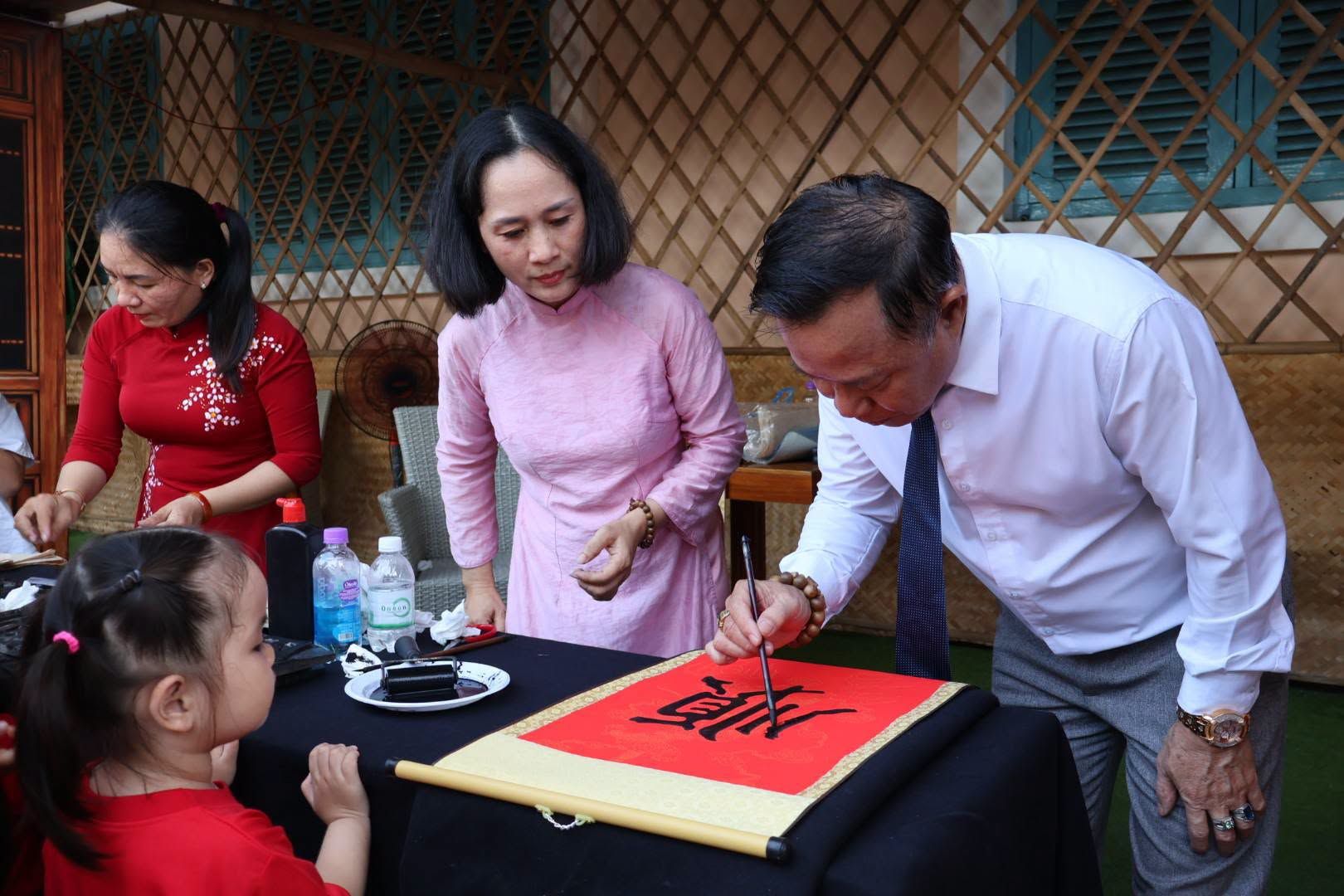
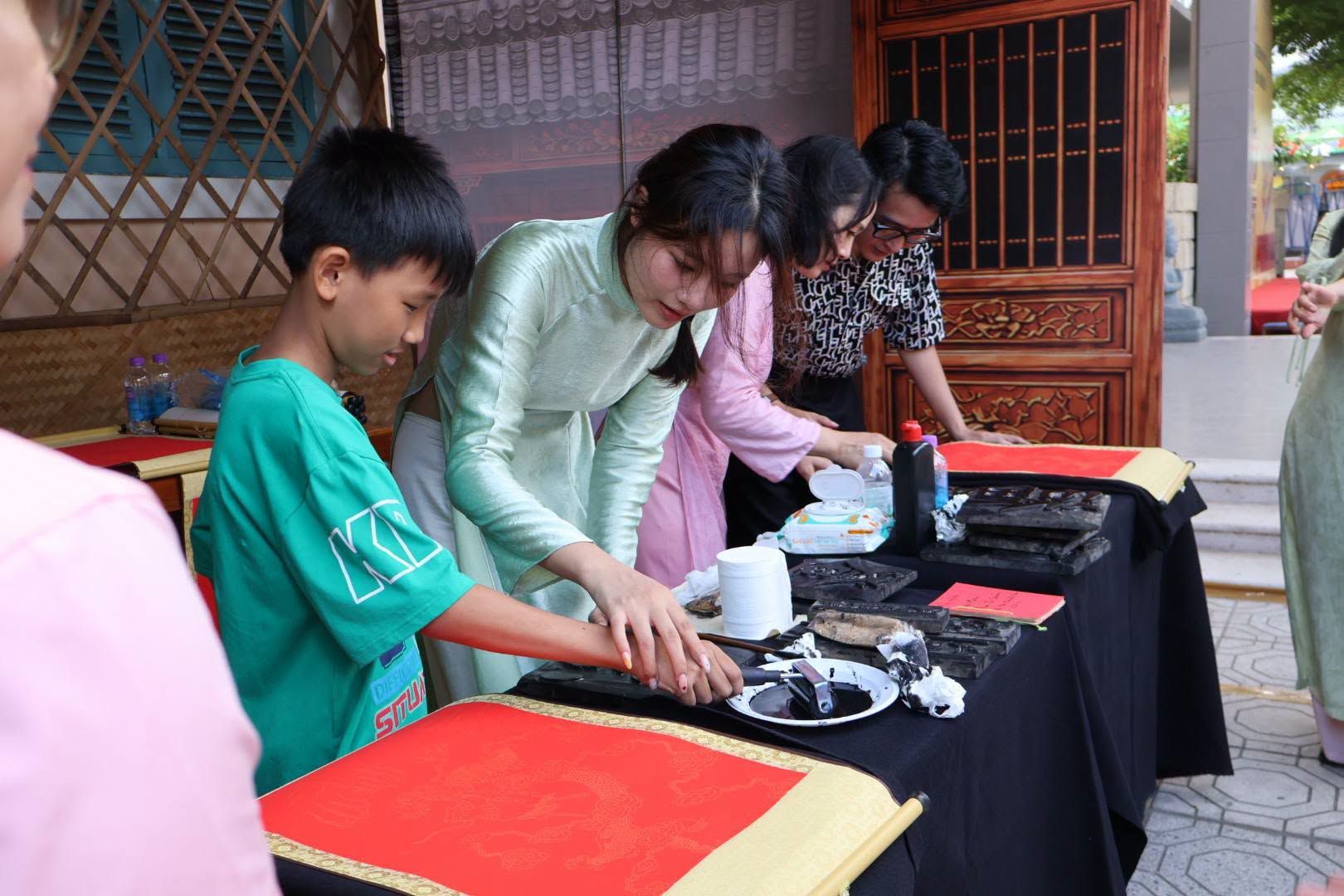
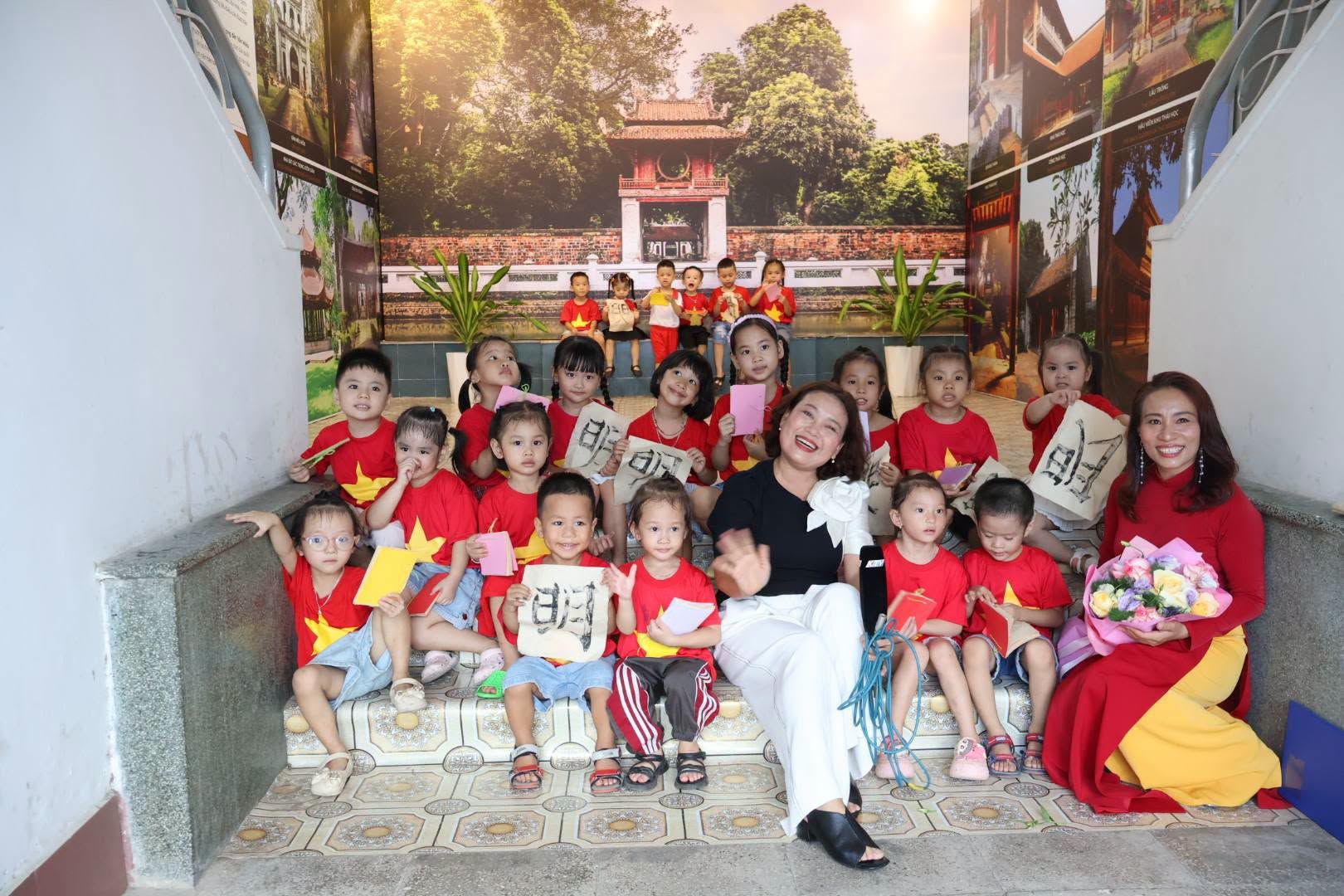
Alongside exhibition panels, photographs, and documentary materials, visitors can take part in a variety of hands-on activities, including grinding ink, learning how to hold a traditional brush and write Chinese characters, making woodblock prints featuring decorative motifs from the Doctoral Stelae, and binding scholars’ books using dó paper. These interactive activities offer visitors, particularly younger generations, an engaging and accessible way to experience and connect with heritage.
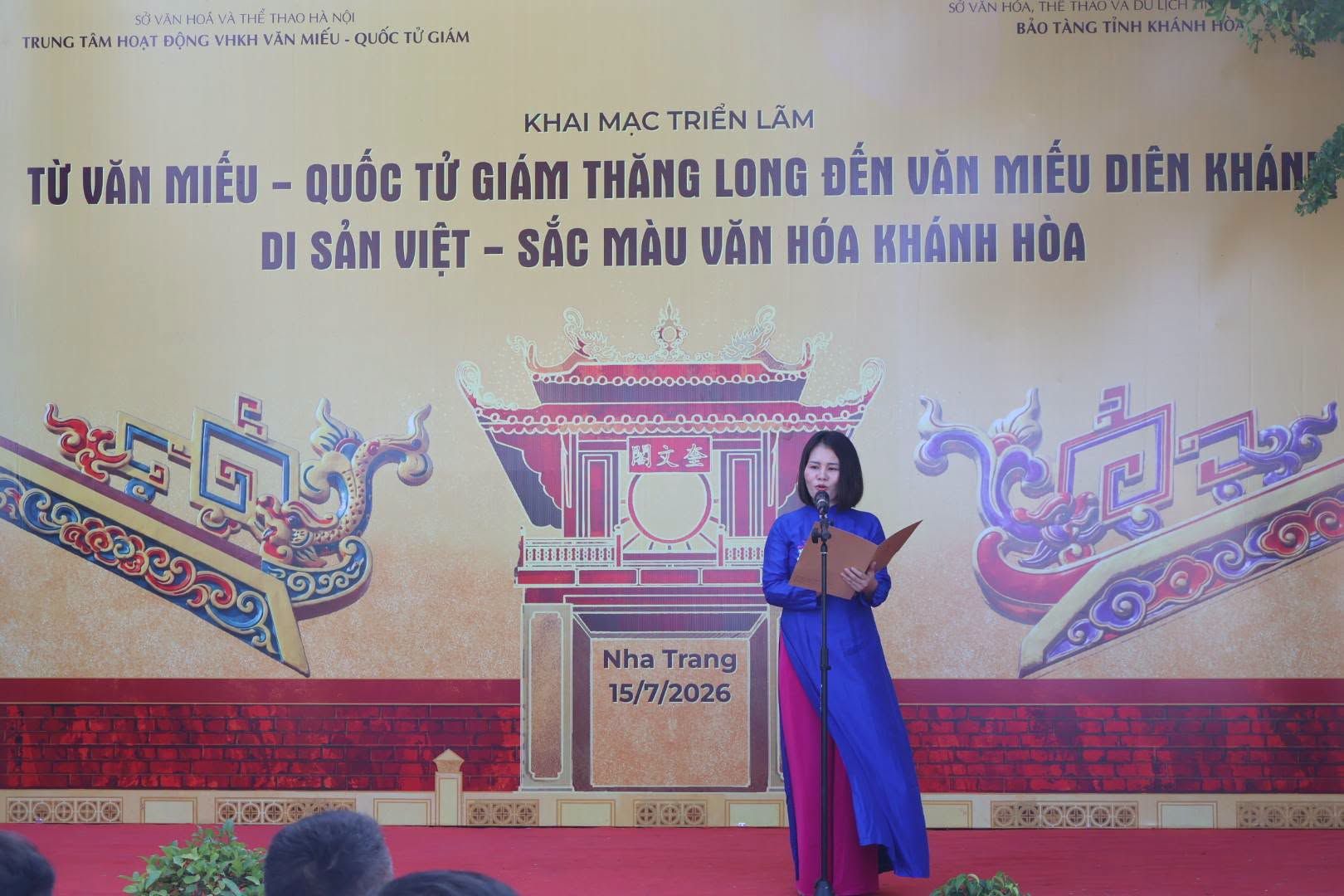
Speaking at the opening ceremony, Dr Đường Ngọc Hà, Deputy Director of the Centre for Cultural and Scientific Activities of Văn Miếu – Quốc Tử Giám, said: “Through this exhibition, we hope to strengthen connections among Confucian educational heritage sites across the country and promote cooperation in research, conservation, and the promotion of heritage values. We also aim to gradually develop connections for thematic visitor routes and tours, heritage education programmes, initiatives to encourage learning and talent, and cultural and academic activities tailored to the distinctive conditions and characteristics of each locality. In this way, the system of Temples of Literature can continue to affirm its role as cultural and educational spaces rich in historical value, honouring Vietnam’s scholarly tradition and passing on the spirit of learning, respect for teachers, and appreciation of talent to present-day generations. At the same time, these efforts will contribute to making effective use of heritage resources and promoting the development of cultural industries and sustainable cultural tourism.”
Held as part of the Khánh Hòa Sea Festival 2026, the exhibition not only helps promote the values of Vietnam’s system of Temples of Literature but also strengthens cultural exchange between the capital city of Hà Nội and Khánh Hòa Province. In doing so, it reaffirms the role of cultural heritage in passing on traditional values, nurturing talent, shaping national cultural identity, and promoting the development of cultural industries in the contemporary context.
LH